
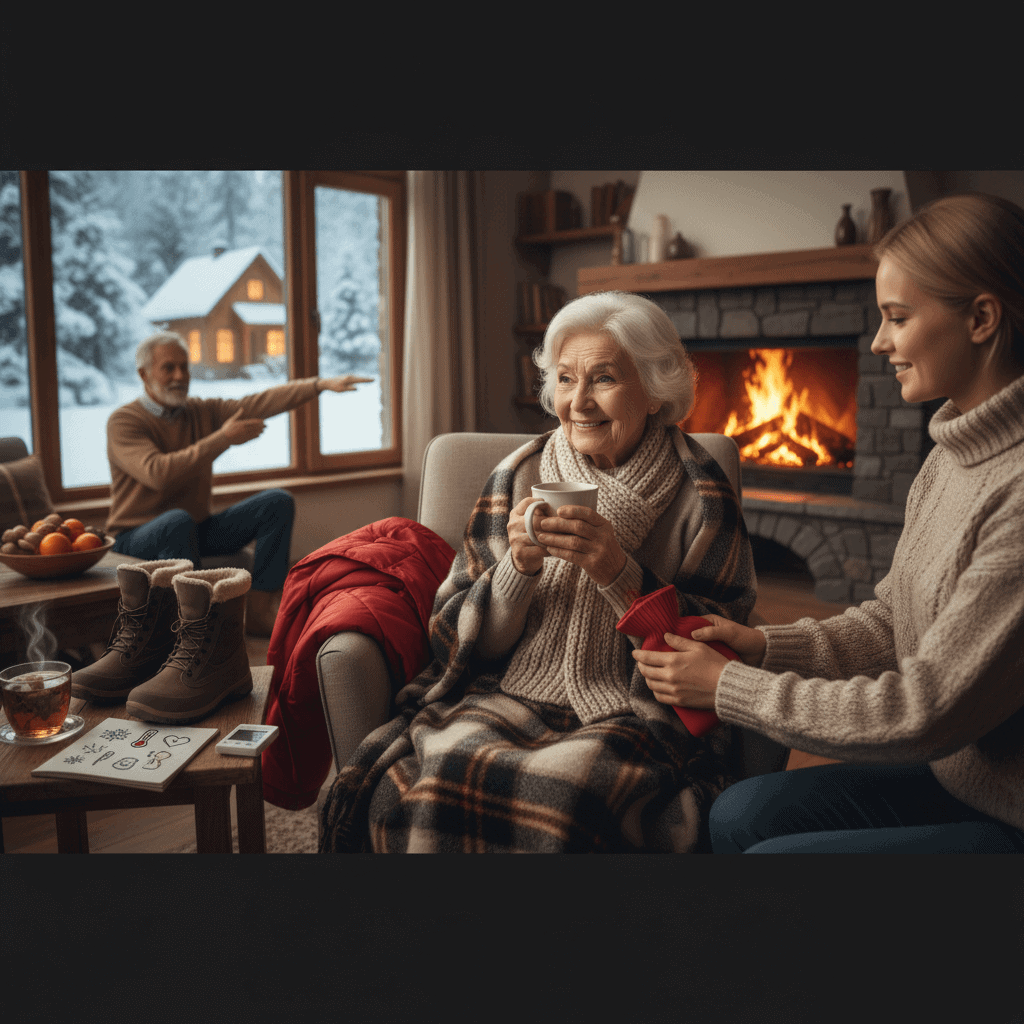
Winter brings quiet beauty and fresh air, but for many older adults it also brings a higher risk of accidents and health setbacks. This guide lays out clear steps you can take to keep them safe this winter with practical self care tips that fit daily life. Readable, realistic actions make a real difference whether someone lives alone, with family, or in a community setting.
The suggestions below focus on common risk areas such as home heating, slips and falls, medication management, clothing choices and social connection. Each section offers examples and tips that are easy to implement so caregivers and older adults can plan ahead. Small changes now cut down the chance of an emergency later and make the season more comfortable and secure.
Keep Heating Safe and Comfortable in Winter
Heating is the single largest factor in winter safety for older adults. A reliable heat source with a safe setup reduces the risk of hypothermia, respiratory stress and carbon monoxide exposure. Follow these checks once before cold weather arrives and then monthly through the season.
- Service furnaces and space heaters early. A professional tune up reduces breakdowns and improves fuel use.
- Install carbon monoxide detectors near sleeping areas and on each floor. Test batteries monthly and replace them yearly where needed.
- Set thermostats to a steady safe range. Many clinicians recommend keeping indoor temperature at least 68 degrees Fahrenheit during daytime and a bit warmer at night for frailer adults.
- Seal drafts around windows and doors with weatherstripping or rolled towels to keep heat in and cold air out.
Prevent Slips Falls Inside and Outside
Falls are a leading cause of injury for older adults during winter months. Rain, ice and snow add hazards outdoors while slippery floors and poor lighting cause trouble indoors. Take a layered approach that removes hazards and builds safer movement patterns.
- Clear snow promptly and use ice melt on sidewalks and steps. Keep a small shovel and pot of ice melt handy near entries.
- Install handrails on both sides of outdoor steps and near indoor stairways where they are absent.
- Use high traction mats just inside doors and a boot tray for wet footwear to keep floors dry.
- Improve lighting in entryways and hallways with brighter bulbs and night lights in frequently used paths.
Shoe grips and walking aids
Shoe traction devices that slip over shoes add valuable grip on icy surfaces. If a cane or walker is used, add ice tips or pick models designed for winter use. Encourage short steps and a slightly wider stance when walking on slick surfaces.
Home clear zones
Remove loose rugs and secure cables out of walking areas. Encourage a consistent clear path between the bedroom, bathroom and kitchen so trips during the night are safer.
Manage Medications Health and Nutrition
Cold weather can change how older bodies respond to medications and meals. Dehydration, missed doses and reduced appetite are common problems. A few simple routines reduce risk and keep daily routines steady.
- Keep a current, printed medication list with doses and times and review it with a pharmacist before winter medications such as over the counter cold remedies are added.
- Set weekly pill organizers or alarms for reminders if memory is a concern. If someone travels, pack medications in carry on or an easy to reach bag.
- Encourage regular meals that include protein and warm liquids. Hot soups and stews offer hydration and calories with minimal effort for older adults with low appetite.
- Keep an open line with primary care and report changes such as dizziness, swelling or unusual shortness of breath which can signal medication interactions or dehydration.
Prepare an Emergency Kit and Communication Plan
Power outages and storms can isolate people for hours or days. An emergency kit and a clear plan cut anxiety and shorten response times. Assemble items in a single easy to carry container stored near an exit.
- Basic emergency kit items include water for three days, nonperishable food, a manual can opener, warm blankets, a flashlight, extra batteries and a battery powered radio.
- Include copies of important papers such as a photo ID, medication list, emergency contact numbers and advance directives.
- Make a plan for power loss such as where to go if heat fails and how to contact family or neighbors for help.
Kit checklist examples
- Water one gallon per person per day for three days
- High calorie snacks, ready meals and a can opener
- Charged power bank for phones and a solar or hand crank charger
- Warm hats and gloves extra socks and a foil emergency blanket
Simple communication steps
Post a sheet near the phone with a short list of trusted contacts and a nearby neighbor who checks in during storms. Program those numbers into the phone as speed dial and have a backup list in the emergency kit.
Dress Warm and Protect Skin and Extremities
Layering clothing traps heat and allows quick adjustments indoors and outdoors. Choosing the right fabrics and footwear helps prevent frostbite and maintains body warmth even on short outings.
- Choose wool or synthetic base layers that wick moisture. Cotton holds water and chills faster.
- Wear a warm hat and insulated gloves. A large share of body heat escapes through the head.
- Select waterproof footwear with non slip soles. Bring an extra pair of dry shoes for use at home if snowy slush is tracked in.
- Moisturize daily to prevent dry cracked skin that can become infected in cold months.
Driving and Travel Safety in Winter Conditions
Driving in winter requires planning and restraint. For many older drivers, the safest choice is to avoid travel during heavy snow and freezing rain. When a trip is necessary these steps lower risk.
- Keep the gas tank at least half full to avoid fuel line freeze and to provide heat during an emergency stop.
- Equip the car with a winter emergency kit that includes a blanket, shovel, ice scraper, road flares and a bag of sand or cat litter for traction.
- Check tire tread and consider winter tires for frequent travel in snowy regions.
- When roads are icy choose daytime travel, stay on major routes and tell a contact your planned route and expected arrival time.
Maintain Social Connection and Mental Health
Loneliness can grow during winter months when travel is harder and daylight is short. Social contact supports safe decision making and encourages routine which helps physical health as well. Use a mix of in person visits phone calls and low tech approaches so everyone can participate.
- Arrange regular check in calls with family or neighbors. A twice weekly timetable reduces worry and spots problems early.
- Look for community day programs or senior centers offering indoor activities like chair exercise classes and craft mornings.
- For those comfortable with technology simple tablet video calls bring a face to conversations and maintain visual cues that matter to mental health.
For a practical prompt sheet and additional reading on how to make winter safe and manageable for older adults consider the resource linked below. It offers clear steps and printable lists to carry out the checks described here and to get neighbors and family involved in a winter plan to Awaken The Greatness Within
Practical daily routines to lower risk
Routines remove decision stress and reduce missed cues that lead to problems. A simple daily checklist helps both the elder and any caregiver track the essentials for the season.
- Morning check includes heating setting, phone battery level and a walk through the main living area to spot hazards.
- Midday tasks cover drinking water, a light activity or stretch and taking medications on time.
- Evening routine confirms pathways are clear, that shoes and coat are dry and that a flashlight and phone are reachable if power fails overnight.
Winter requires attention but does not have to be overwhelming. Implementing a handful of predictable steps keeps older adults safer and more comfortable. This list focuses on actions that save time and reduce the chance of emergencies including checks for heating and carbon monoxide, ways to prevent slips and falls, medication and food routines, and social strategies that cut isolation.
Take one step today by choosing two items from the fire list like testing detectors and assembling a small emergency kit. Share the plan with a family member or neighbor and schedule a follow up to review progress before the next storm. Preventive effort pays off with fewer crises and more comfortable days this season. If you are a caregiver set a calendar reminder to review medications and the home setup at the start of each month so small problems do not become large ones. Safe winters start with planning and steady habits. Make a plan and act on it now so you or the person you care for can move through winter with greater safety and confidence.